
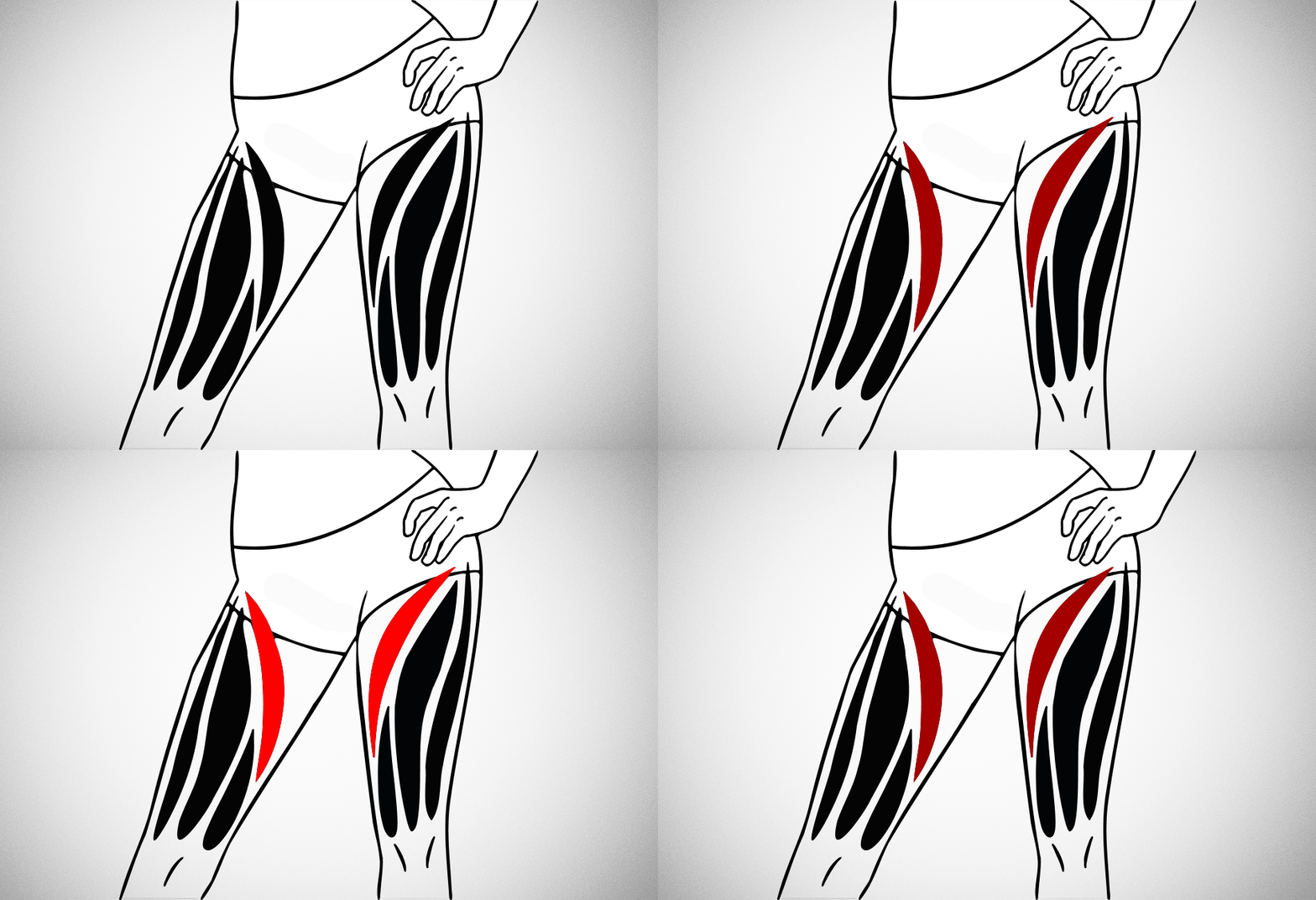
Let’s start with a small experiment. Stand up straight. Move your left foot about a foot in front of your body so that your leg is in front of you, knee bent. Keep your right leg straight. Now swing it in a straight leg fashion and see how high it gets. Ideally, you want to raise it so your thigh touches your chest and your foot is, for a split second, above your head. The chances are however that even without a decent warm-up and no real prior experience you’ll still be able to get your leg pretty high. Certainly way above your waist. And, maybe, even high enough that your thigh nearly touches your chest.
Now, try to do the exact same thing, from the same starting pose, slowly, without swinging your leg. In the best case scenario you will reach waist height or just above it, at best. Highly trained dancers and martial artists of course can do this with hardly any effort at all. To understand how they do it and how you can copy them and do it yourself we need to break down the movement into all its component parts.
The benefits of having this kind of ability of course are multiple, as usual. You enjoy increased power and explosiveness, have better posture, greater limb control, stronger bones and muscles and you tire less when you run, kick or jump. The reason you tire less is because any high-impact activity produces feedback vibrations which resonate throughout the body. These vibrations often work at odds with the activity of the muscles[1] themselves much like, say a car whose wheels are not balanced has to expand a lot more fuel to drive in a straight line.
Strong, supple muscles are able to counteract the vibrations produced by high-impact exercise, optimize their performance and produce more power with less effort. It is this ability to better absorb vibrations[2] that makes strong muscles more powerful during activities such as sprinting, jumping, running, kicking and punching.
But to get back to our problem of how to strengthen the parts of the leg necessary for us to raise our leg, high slowly.
The Biomechanics Of A Straight Leg Raise
Dancers and expert martial artists and anyone who works a lot with their body intuitively understand the components of the movement. But let’s break them down here so we all share in the understanding.
- First, we need strong quads. The quads do not power this movement though it feels like they do because they tense so we can keep the knee straight throughout the arc, from the point where our foot touches behind us to the point where it ends up above our head (if possible). Having a straight leg is important because it optimizes the distribution of the leg weight throughout the movement.
- Then, we need a strong base. This means the supporting leg needs strong quads, hamstrings, knee and ankle joints to help us balance and strong glutes to help us be stable throughout the dynamic of this movement.
- Next, we need flexible hamstrings. The hamstrings, like any muscle has a natural degree of elasticity which is determined by the size of the muscle fibers.[3] A dynamic movement, like the one described above, will produce quite a good range of motion even without really flexible hamstrings by simply activating the ability of the muscle fibers to stretch naturally. Obviously the more flexible the hamstrings are the greater the range of motion (ROM) of the leg and the higher we will be able to raise it.
- A strong core and abs keep the body stable throughout the movement and reduce the amount of energy required to perform it.
- Finally, and this is key, we need strong front hip flexors. The higher we want to raise the leg the more we need to work on front hip flexor strength.[4]
All of the above elements need to come together for us to be able to raise our leg, really high, repeatedly, without tiring too much.
Front Hip Flexor Strength Is Key To Raising The Leg
From all the elements we described however if you want to see the biggest improvements in the shortest possible time, the ones to work on are the front hip flexors. Strong, supple hip flexors contribute positively to balance,[5] explosiveness of movement and increased range of motion.
Training them helps the body’s to better transmit power between the body’s lower and upper kinetic chains. This maintains movement efficiency, conserves power and helps increase the body’s ability to generate powerful, explosive movements with less effort.
Ballet dancers and martial artists who routinely use high-kicking, explosive movements pay special attention to training the front hip flexors. So do sprinters who need to raise their knees past their waist when they run and cross-country runners who have to run up hills and inclines.
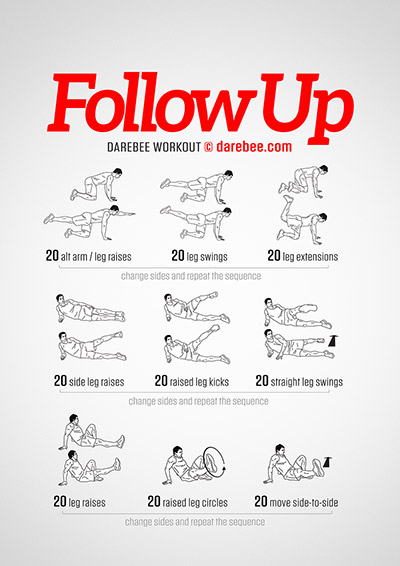
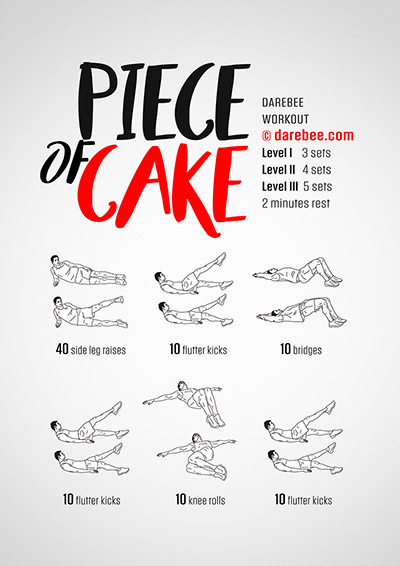
Workouts that include High Knees, Flutter Kicks and abs exercises such as Abs of Steel Challenge, also help you increase the capacity to raise your leg, higher with less effort.
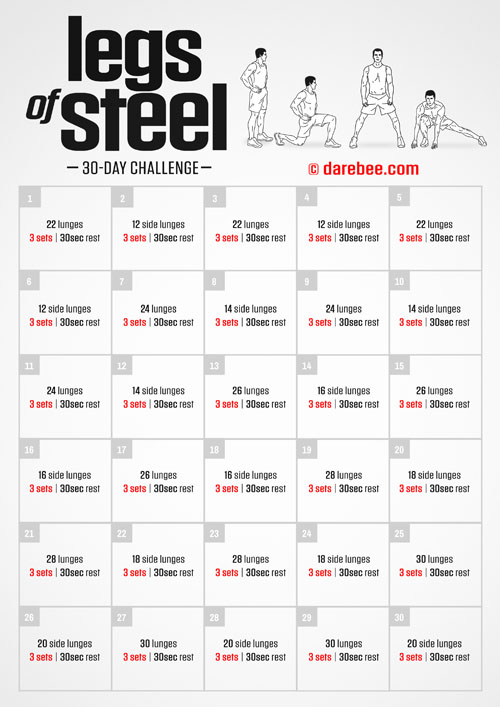
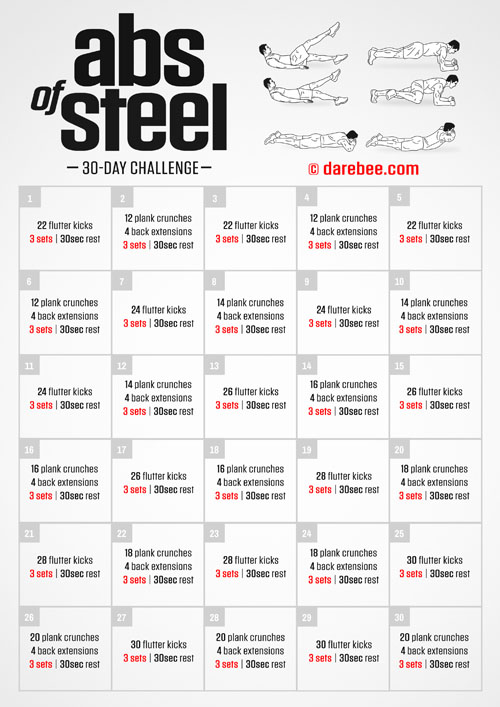
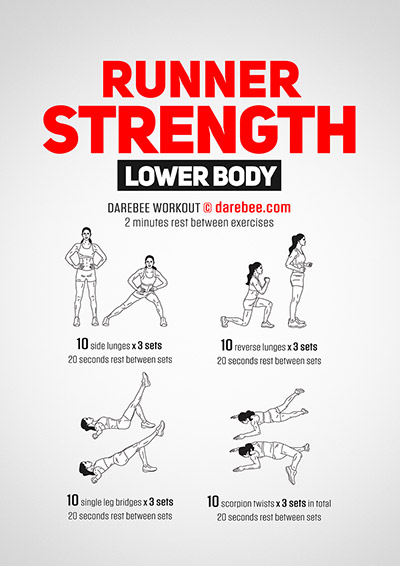
Recommended workouts to try:
Conclusion
Raising a leg, straight, in front of us as high as we can is a multi-factorial fitness exercise. Working on it requires bringing together components of fitness that require flexibility, core stability, strength and balance. The benefits however are also multi-factorial. We gain increased strength, range of motion of motion, balance, core strength and stability, coordination and power.
References
- Astrom, C. (2008). The effects of vibration on muscles in the neck and upper limbs. Umeå University, Sweden.
- James M. Wakeling, Benno M. Nigg, and Antra I. Rozitis. Muscle activity damps the soft tissue resonance that occurs in response to pulsed and continuous vibrations. Journal of Applied Physiology 2002 93:3, 1093-1103
- Malakoutian, M., Theret, M., Yamamoto, S. et al. Larger muscle fibers and fiber bundles manifest smaller elastic modulus in paraspinal muscles of rats and humans. Sci Rep 11, 18565 (2021).
- Yamane M, Aoki M, Sasaki Y, Kawaji H. Understanding the Muscle Activity Pattern of the Hip Flexors during Straight Leg Raising in Healthy Subjects. Prog Rehabil Med. 2019 Feb 16;4:20190007. doi: 10.2490/prm.20190007. PMID: 32789254; PMCID: PMC7365227.
- Konrad A, Močnik R, Titze S, Nakamura M, Tilp M. The Influence of Stretching the Hip Flexor Muscles on Performance Parameters. A Systematic Review with Meta-Analysis. Int J Environ Res Public Health. 2021;18(4):1936. Published 2021 Feb 17. doi:10.3390/ijerph18041936